
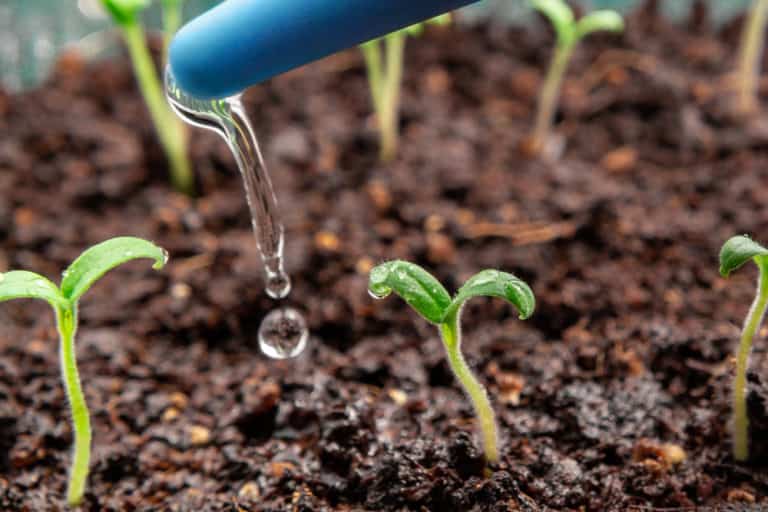
Nurturing Your Tomato Patch: Organic Watering Methods for Stronger Tomato Plants
There's nothing quite like biting into a sun-ripened, juicy tomato you’ve grown yourself. But achieving that deliciousness often requires a commitment to nurturing your plants the right way. And when it comes to growing thriving, healthy tomatoes, choosing organic methods is the best path forward. Not only are you ensuring safer, more flavorful produce for yourself and your family, but you're also contributing to a healthier ecosystem. Whether you’re a seasoned gardener or just starting your journey with a few container tomatoes on your balcony, embracing organic practices can make all the difference.
Key FAQs About Organic Tomato Growing
Let's tackle some common questions to set you on the path to organic tomato success:What are the best organic care methods for tomato plants?The best methods involve using compost-rich soil, providing consistent and deep watering, employing natural pest control, and using organic fertilizers. Crop rotation and proper pruning also contribute significantly.
How can I prevent tomato pests naturally? Neem oil is a fantastic organic insecticide. Companion planting with herbs like basil and marigolds can also deter pests. Regularly inspect your plants and handpick any unwanted visitors.
What organic fertilizers work best for tomatoes? Compost tea, worm castings, and bone meal are excellent choices. These provide essential nutrients like nitrogen, phosphorus, and potassium, which are vital for tomato growth.
Can compost replace chemical fertilizer for tomato plants? Absolutely! High-quality compost provides a slow-release of nutrients, improves soil structure, and enhances water retention. Supplementing with other organic amendments can ensure your tomatoes get everything they need.
How often should I water tomatoes organically? Consistency is key. Water deeply when the top inch of soil feels dry. This may be every day or every few days, depending on the weather and your soil type. Aim to water at the base of the plant to avoid wetting the leaves and encouraging disease.
What’s the best soil preparation method for organic tomato growth? Start with a well-draining soil mix rich in organic matter. Amend your soil with plenty of compost, aged manure, or other organic materials before planting. This will provide a strong foundation for healthy growth.
Practical Tips & Methods for Thriving Organic Tomatoes
Let's dive into specific practices you can implement to grow strong, vibrant tomato plants using organic techniques:Compost and Natural Mulch: The Foundation of Healthy Growth Compost Power: Before planting, amend your garden soil or potting mix with plenty of compost. This will improve drainage, aeration, and nutrient content. Mulch Magic: Apply a 2-3 inch layer of organic mulch, such as straw, wood chips, or shredded leaves, around the base of your tomato plants. Mulch helps retain moisture, suppress weeds, and regulate soil temperature. It also breaks down over time, enriching the soil further.
DIY Organic Pest Control: Nature's Defense Neem Oil Solution: A diluted neem oil spray is effective against aphids, whiteflies, and other common tomato pests. Apply in the early morning or late evening to avoid burning the leaves. Companion Planting: Plant basil, marigolds, or nasturtiums near your tomato plants. These herbs and flowers repel pests and attract beneficial insects. Handpicking: Regularly inspect your plants and remove any pests you find by hand. This is especially effective for larger pests like tomato hornworms.
Natural Disease Prevention: A Proactive Approach Crop Rotation: Avoid planting tomatoes in the same spot year after year. Rotate crops to prevent the buildup of soilborne diseases. Pruning Techniques: Prune your tomato plants regularly to improve airflow and reduce the risk of disease. Remove suckers (the small shoots that grow between the main stem and branches) to encourage fruit production. Watering Wisely: Water at the base of the plant to avoid wetting the leaves. Overwatering can lead to fungal diseases.
Watering Methods That Reduce Disease Risk Drip Irrigation: This delivers water directly to the roots, minimizing water loss and reducing the risk of foliar diseases. Soaker Hoses: Similar to drip irrigation, soaker hoses provide a slow, steady stream of water directly to the soil. Hand Watering: If you prefer hand watering, use a watering can or hose with a gentle nozzle. Avoid splashing water on the leaves.
Enriching Your Soil: Giving Tomatoes the Nutrients They Crave Worm Castings: Sprinkle worm castings around the base of your tomato plants or add them to your potting mix. Worm castings are rich in nutrients and beneficial microbes. Compost Tea: Brew a batch of compost tea by steeping compost in water for 24-48 hours. Use this nutrient-rich liquid to water your tomato plants. Organic Matter: Regularly add organic matter to your soil, such as aged manure, leaf mold, or grass clippings. This will improve soil structure and provide a steady supply of nutrients.
These tips work equally well whether you are perfecting your container Tomato gardening skills, growing peppers indoors, or nurturing apartment Tomato plants. The beauty of organic gardening is that the principles remain consistent, regardless of your space.
Conclusion: Embrace the Power of Organic
Growing strong, healthy tomato plants organically is a rewarding journey. By using compost, natural pest control, and smart watering practices, you can enjoy a bountiful harvest of delicious, homegrown tomatoes. Remember, every small step you take towards organic gardening contributes to a healthier planet and tastier food.
Takeaway Tip: Start small! Even a few organic practices, like adding compost to your soil or using neem oil for pest control, can make a significant difference in the health and productivity of your tomato plants. Embrace the process, and enjoy the fruits (and vegetables!) of your labor.